
In 2015, IBM was in the middle of one of the most ambitious technology bets in the industry. Watson had been built, demonstrated on Jeopardy!, and launched commercially, and it was being positioned as the cognitive computing platform for the enterprise. This was years before the AI wave made these conversations mainstream.
I was the Creative Director at Havas, IBM’s digital agency of record, from 2015 to 2017. The mandate covered UX design, video and motion content, vision work, and AI concept work across IBM Cloud, Quantum, and Watson. Over two years, the team delivered 70+ projects and the account grew 20% YoY during a down forecast.
UX / UI Reel
Cognitive Cold Start
Every Watson deployment began knowing nothing, and looked broken because of it.
Every Watson deployment started at zero. A freshly configured Watson service had no training data, which meant it returned weak, unreliable results. That’s an immediate trust problem for any business that had just invested in the platform. This was what we called cognitive cold start, and it was one of the most concrete UX problems we solved.
The answer wasn’t to hide the system’s current state. We designed onboarding flows and empty states that communicated exactly where the system stood and framed the path forward. The central decision was to reframe use as training: users needed to understand that their interactions were meaningful inputs, not just queries, so that the act of using Watson early also made it better over time.
IBM Cognitive Studio
Executives didn’t want a deck about Watson. They wanted to use it.
The Cognitive Studio was an in-person exhibit designed to let executives use Watson rather than be shown slides about it. Six stations sequenced into a guided journey:
- Watson Greeting, which recognized visitors on arrival.
- AI Demo Wall, running live NLP and computer-vision examples.
- AI Wine Bar, matching preferences to vintages through conversational queries.
- AI Business Insights, pulling competitive intelligence out of unstructured data.
- AI Language Analyzer, converting each visitor’s conversation to text in real time and projecting it onto the walls, while an animation showed Watson parsing grammatical structure to derive meaning.
- Cognitive Mobile App, which extended the experience onto the visitor’s own device after they left.
The headline station was a VR tonality experience: visitors put on an Oculus and walked through a spatial visualization of their own company’s emotional tone, pulled from the company’s public communications and rendered as an immersive environment, with comparative tonality data for their executives, external influencers, and major competitors alongside.
An engaging visualization of his company's emotional tone and personality, based on social and corporate communications — using virtual reality.
— VR AI Insights station, Cognitive Studio
Every visit ended the same way. Using motion sensors and facial recognition, each exiting visitor was handed a personalized takeaway via SMS: a custom mobile app that offered an online version of the AI insights experience, one that continued to learn over time and could be shared with colleagues. The studio stayed with you after you left it.
Watson GenAI business concepts were prototyped in 2017, five years before ChatGPT launched.
The Cognitive Studio shipped enterprise conversational-AI patterns that wouldn’t become mainstream until the generative-AI wave half a decade later: voice-to-visualization, tonality analysis, and agentic mobile handoff.
Watson-Powered Business AI Chatbot Demo
In 2016 enterprise conversational AI was a concept. We built a working one.
In 2016, conversational AI in enterprise software was still largely theoretical. Most companies were studying the concept, not building it. The team built a working demonstration of a Watson-powered enterprise chatbot: an end-to-end experience showing conversational AI handling domain-specific business queries in practice. The demo runs through a full use case: a user engaging the Watson agent, the system surfacing structured data in response, follow-up queries handled with context preserved across the conversation, and a workflow path that replaced manual lookup.
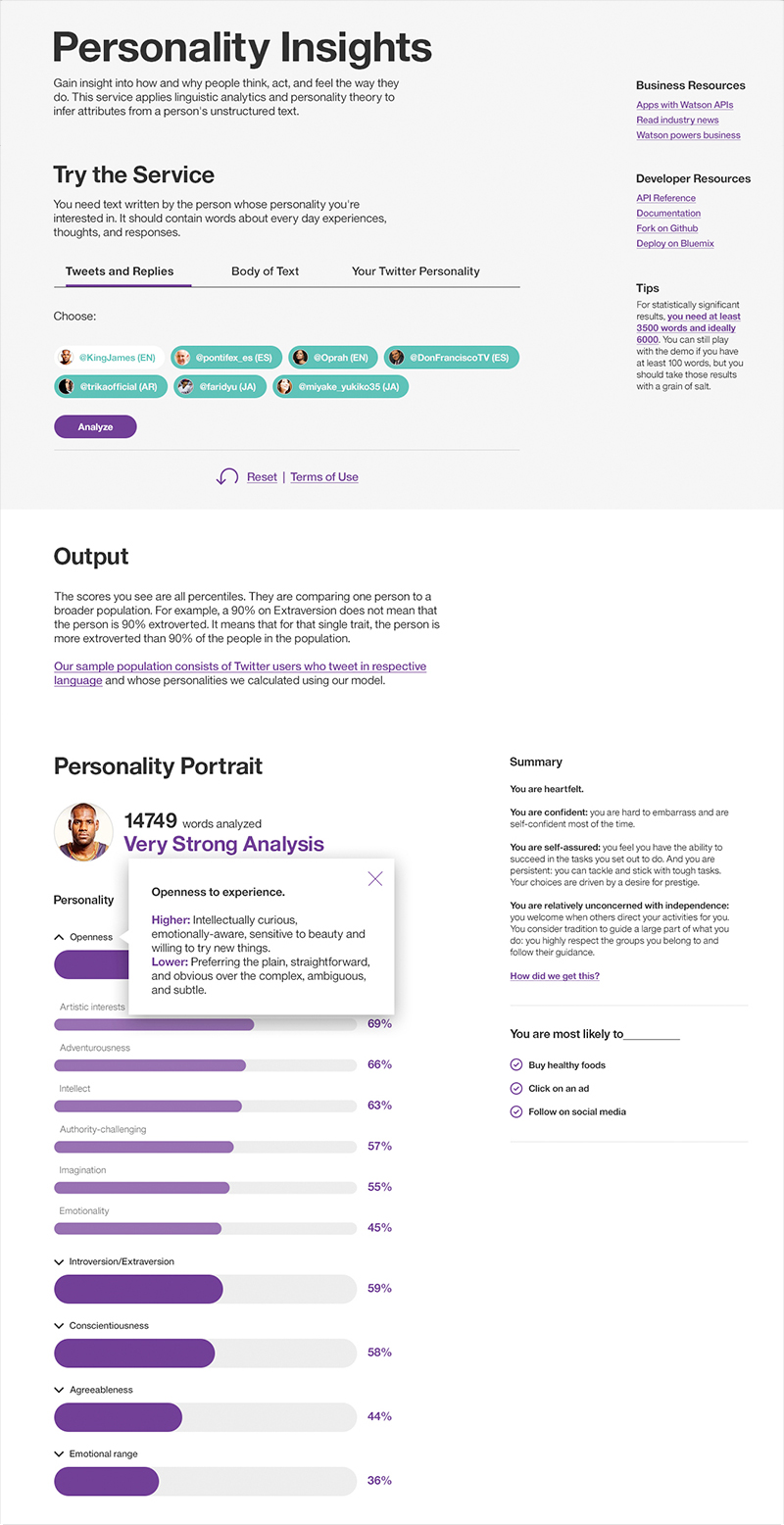
Think Academy — Animation and Concept Work
Quantum mechanics, AI, and cloud infrastructure, made watchable.
Think Academy — Concept Development
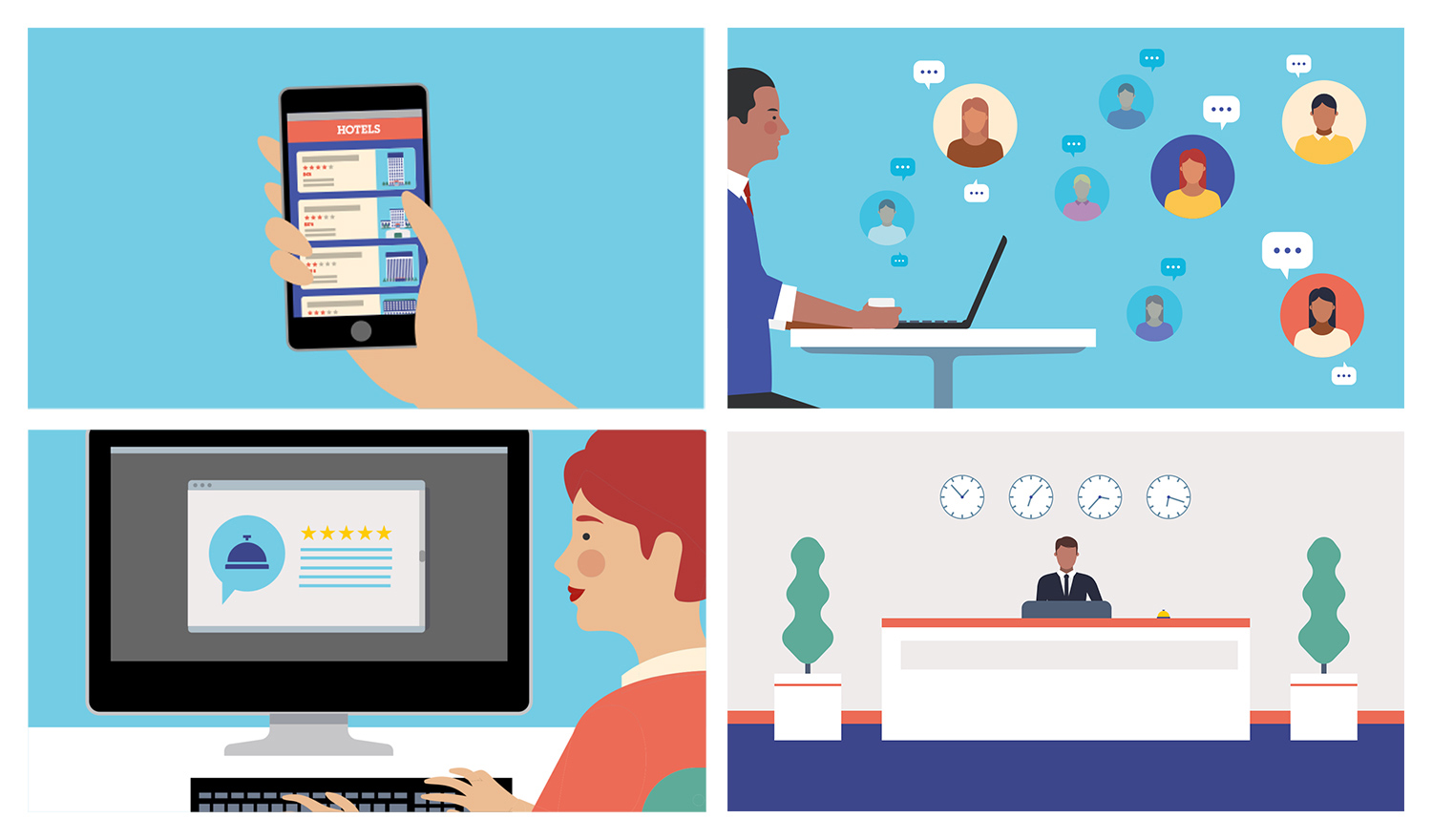 Animation storyboards
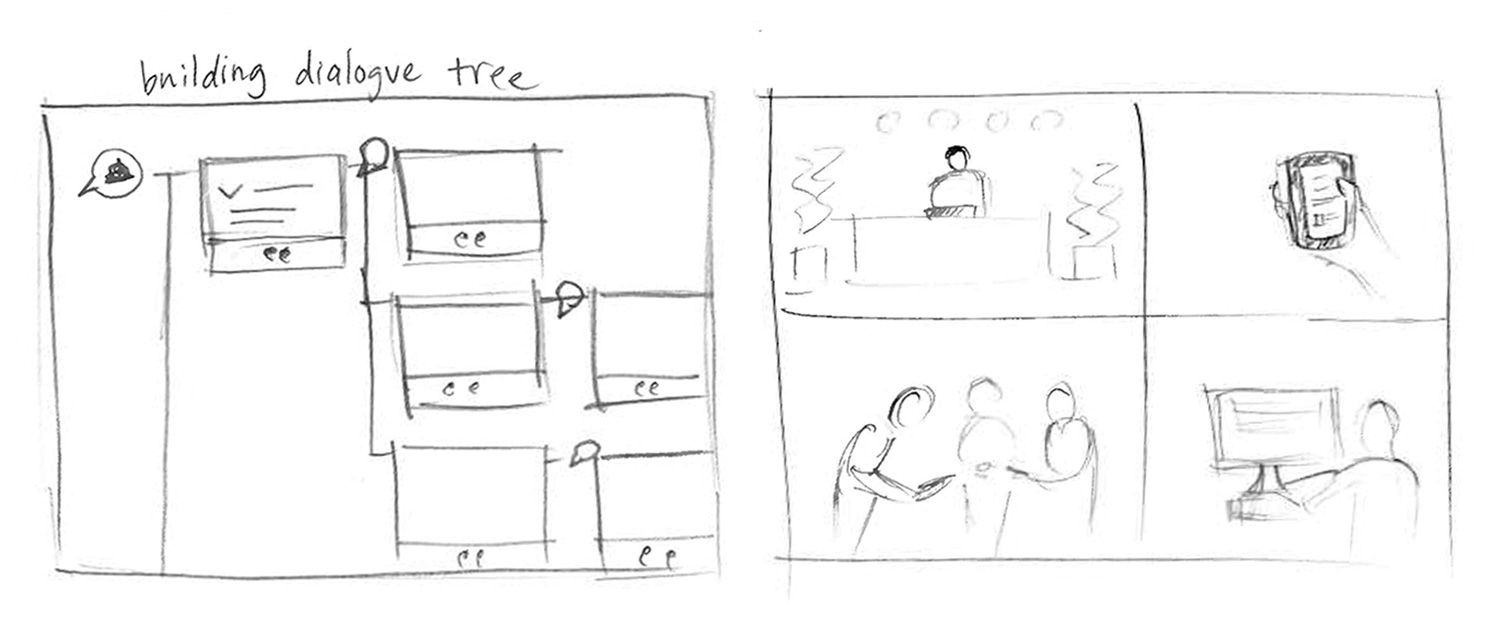 Scene exploration
 Think Academy poster
 Think Academy poster — alternate
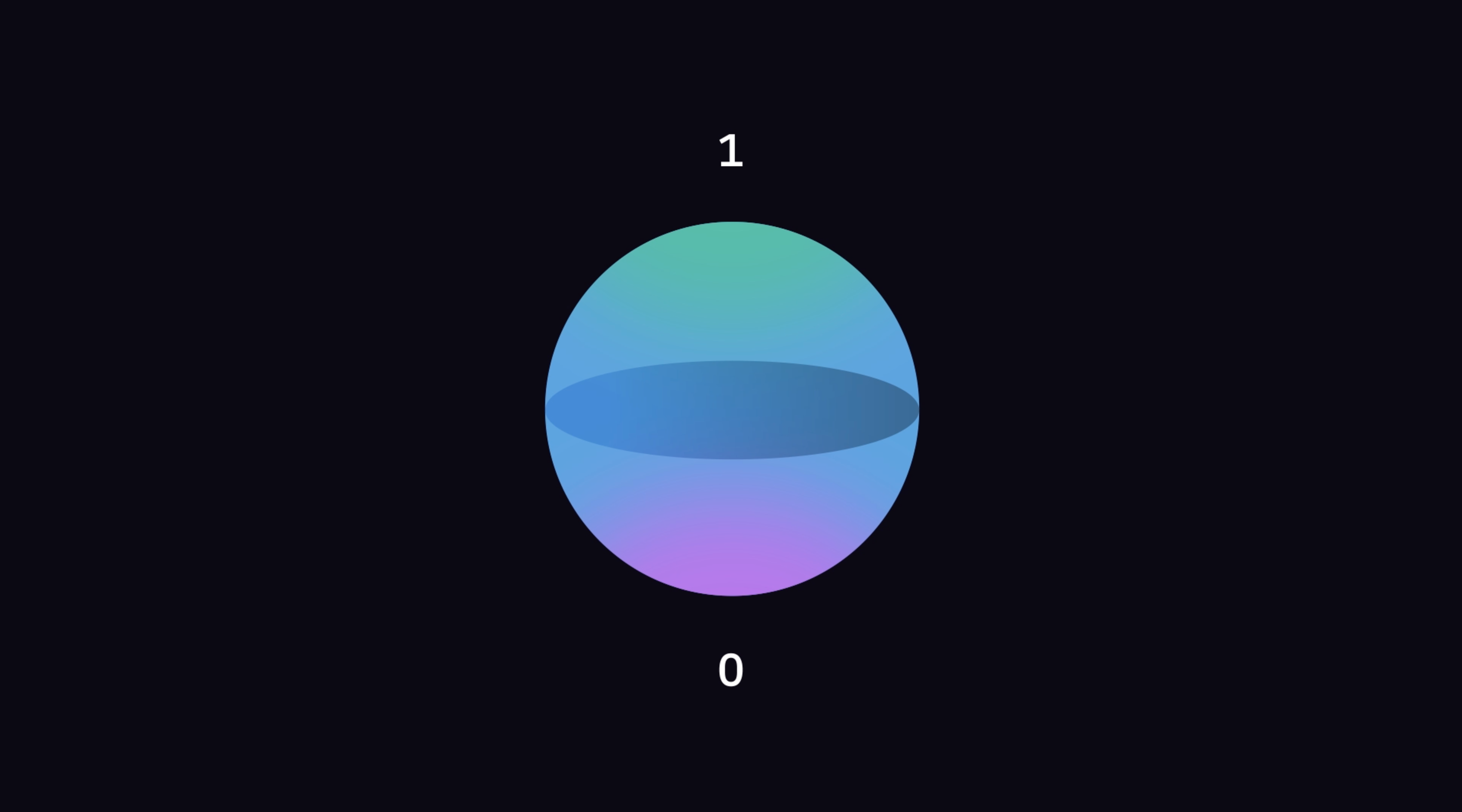
Quantum Computing Explainer
One of the hardest ideas in computing, explained without the maths.
Quantum computing was, and still is, one of the hardest concepts to explain to a non-technical audience. IBM needed an explainer that would work for executives, policymakers, and the general public without sacrificing accuracy. The team produced an animated piece that stripped quantum mechanics down to its fundamental behavior: what makes it different from classical computing, and why it matters.
The result was used in practice. IBM’s VP of Government and Regulatory Affairs, Chris Padilla, brought the piece to Capitol Hill meetings as a communication tool. That’s a direct measure of whether an explainer actually explains something to the people who need to understand it.
Watson “2 Truths and a Lie” — Interactive AI Demo
Most AI demos in 2016 were videos. This one talked back.
Most AI demos in 2015–2016 were passive: a video, a case study, a slide deck. “2 Truths and a Lie” was live: a real-time Watson NLP demonstration where the output depended on what you said and how you said it. Users presented three statements, and Watson analyzed the linguistic patterns to identify the lie. The result wasn’t scripted. This made the capability concrete in a way that a presentation never could.
The project evolved from early concept sketches into a fully interactive experience, demonstrating Watson’s natural language processing in a format that was both accessible and genuinely surprising to use.
2 Truths and a Lie — Watson Interactive Experience
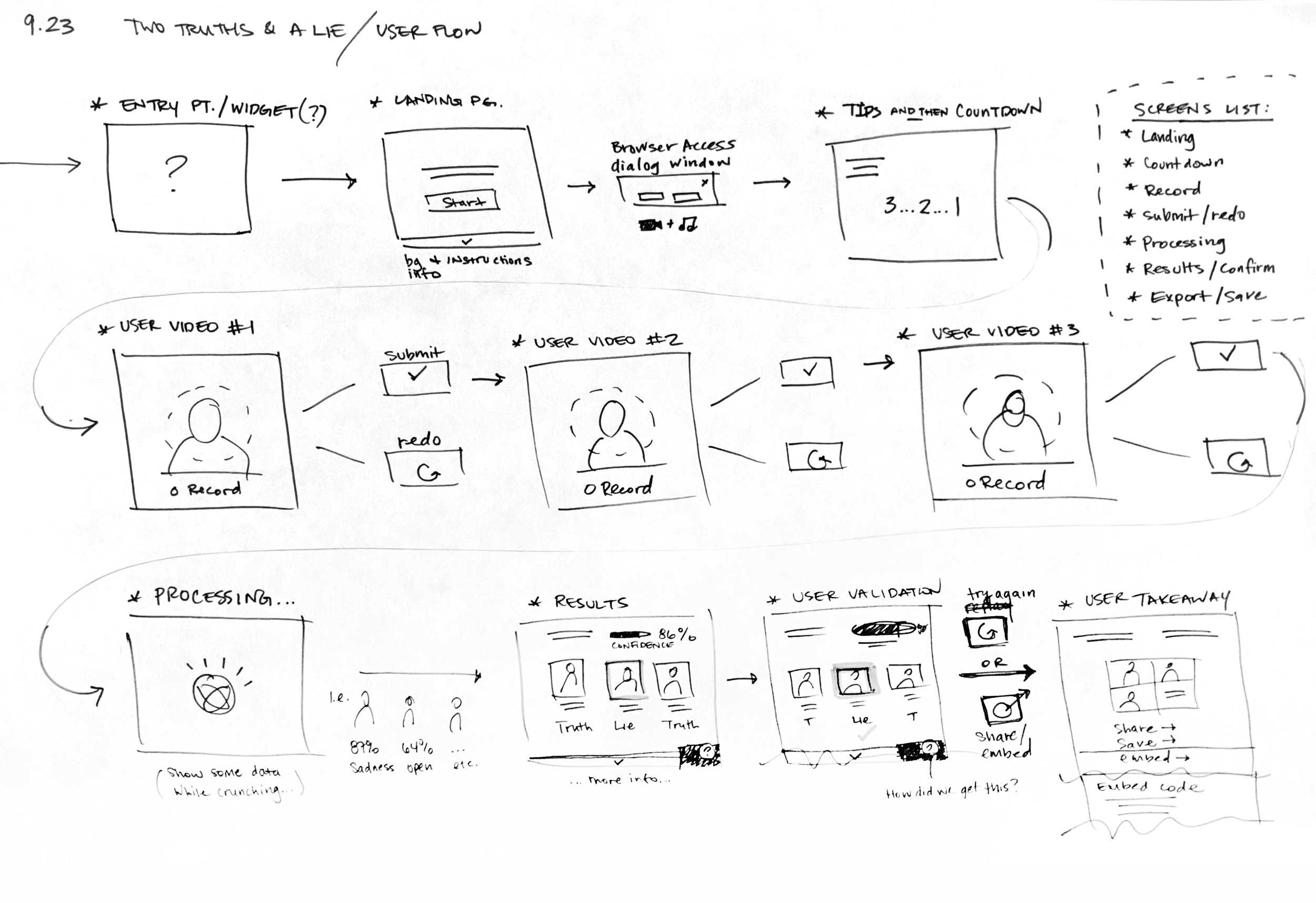 Concept sketches and interaction flow
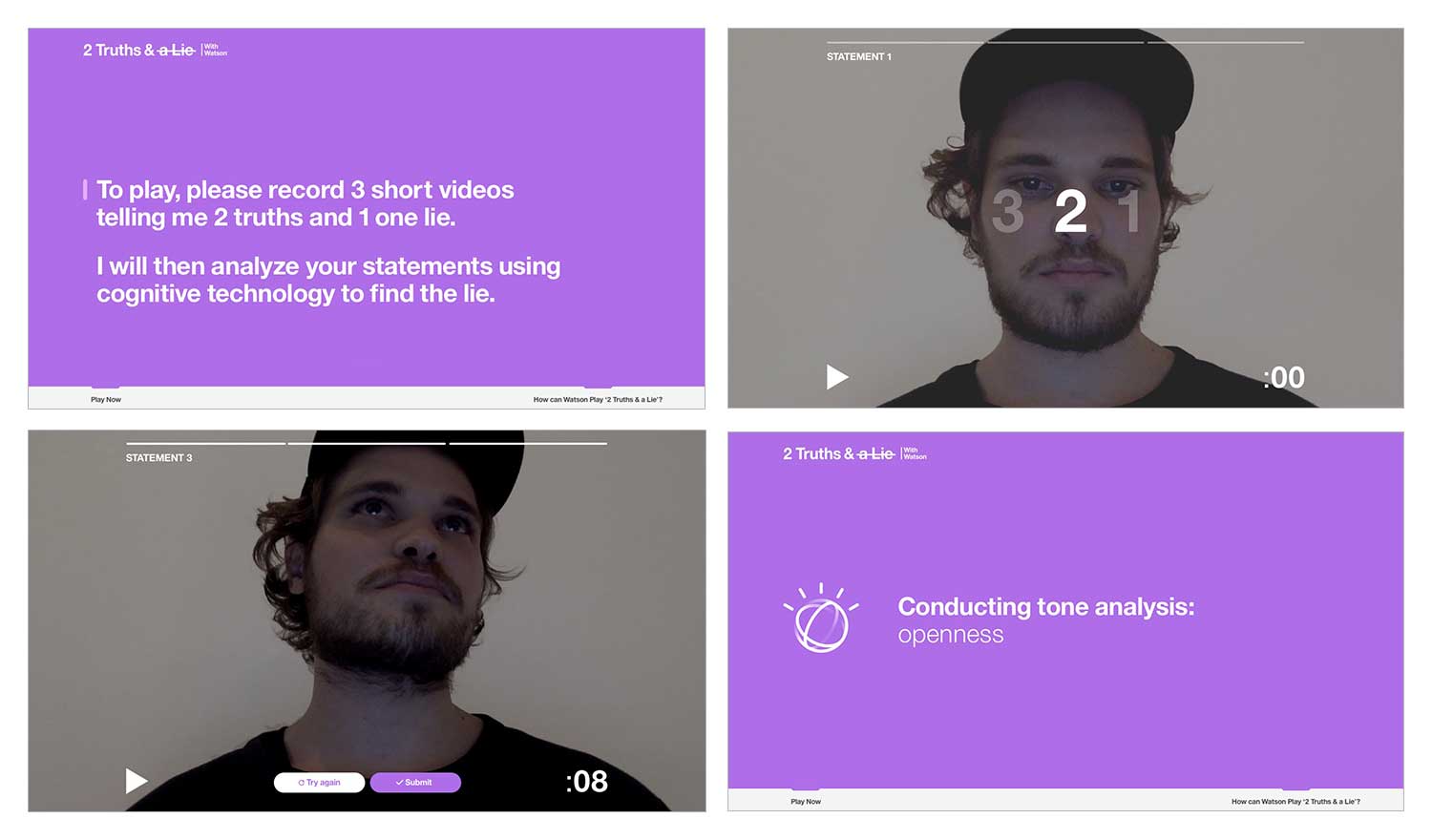 Game layout
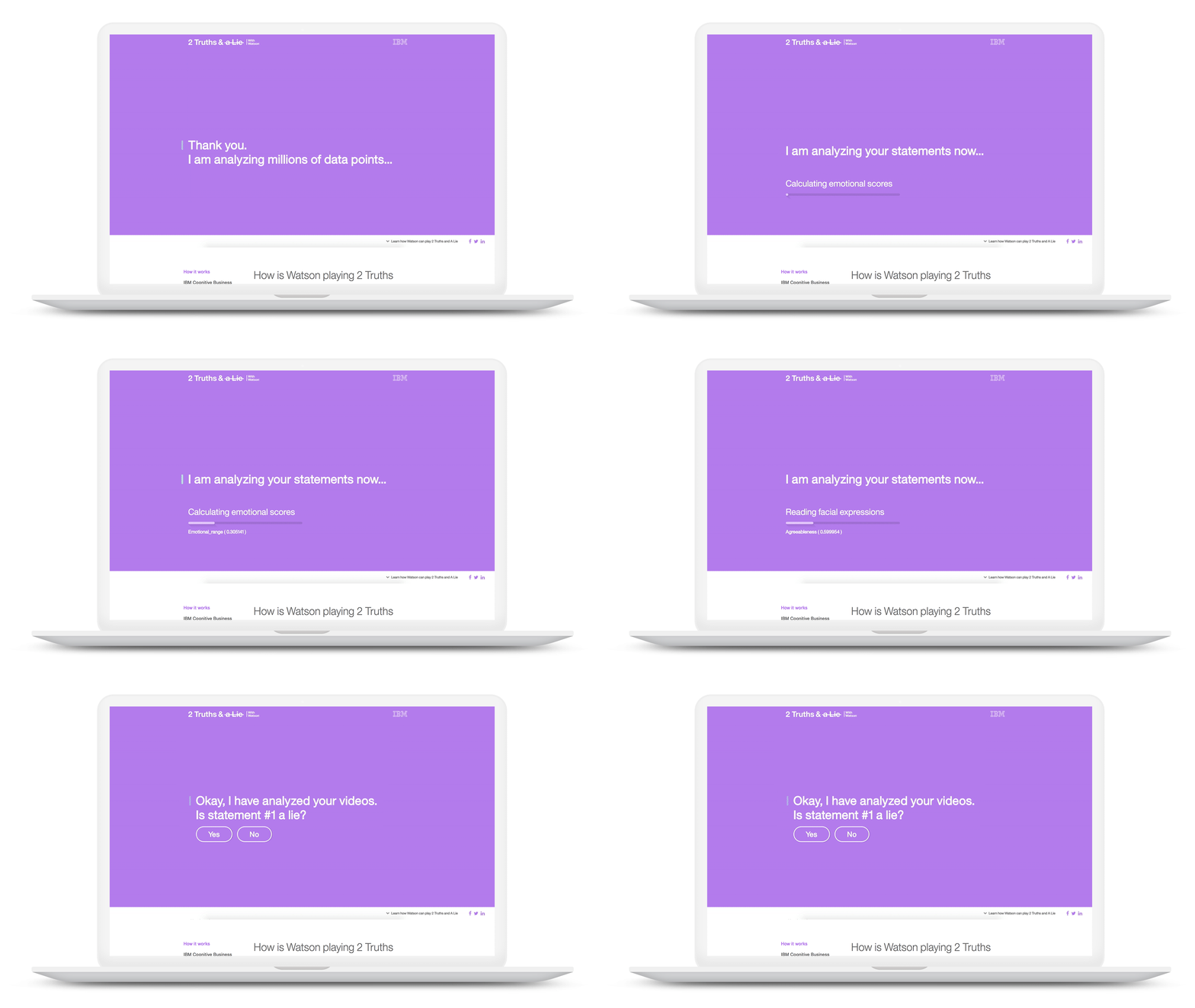 Hero animation
 Chat interface animation
 Watson analysis animation
Results
The account grew through a down forecast.
In addition to managing various parts of the account, I was able to work with the teams to generate over 20% growth YoY during a down forecast. This accounted for about a +40% swing in the business and setup the teams for continued success.
Account Growth
Projects Delivered
Video Views